Barrier, steel and set out, checked before any of it becomes permanent.
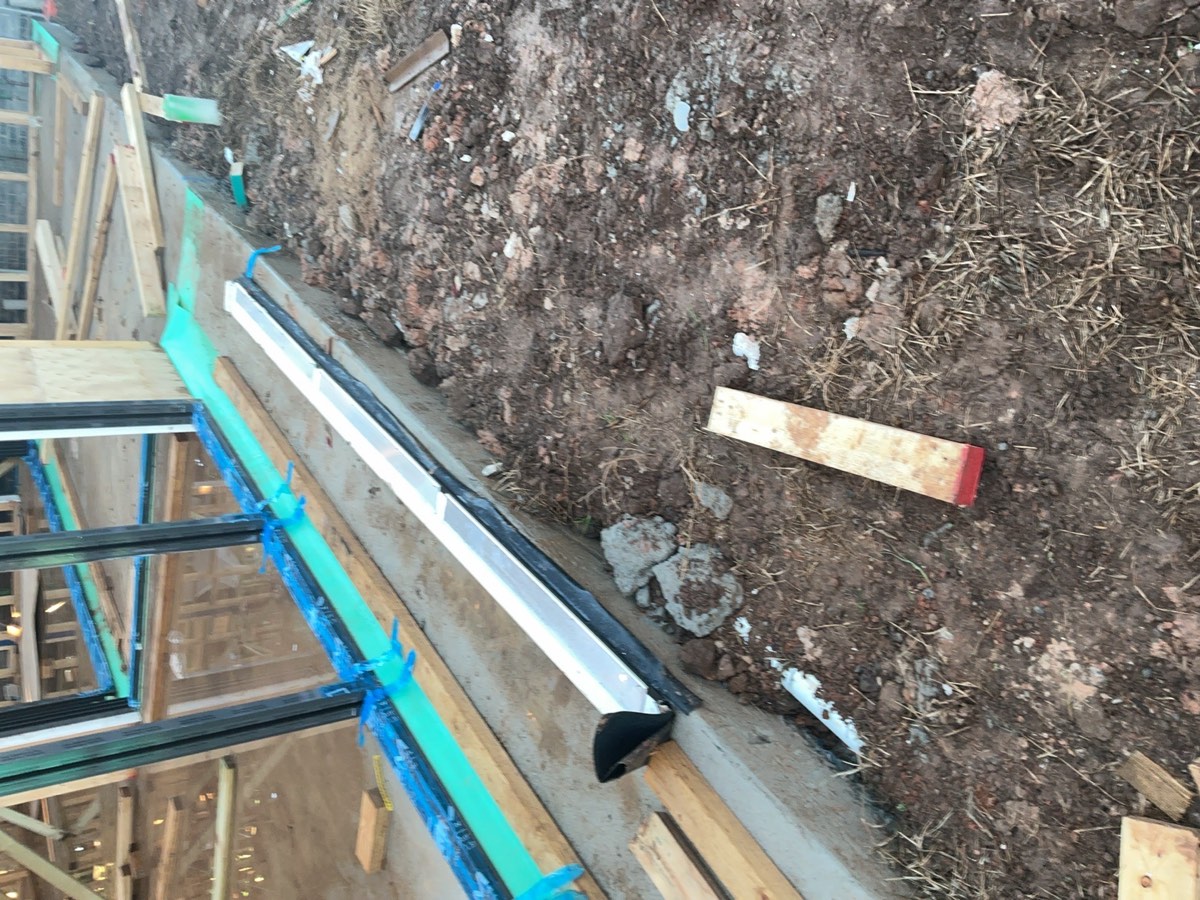
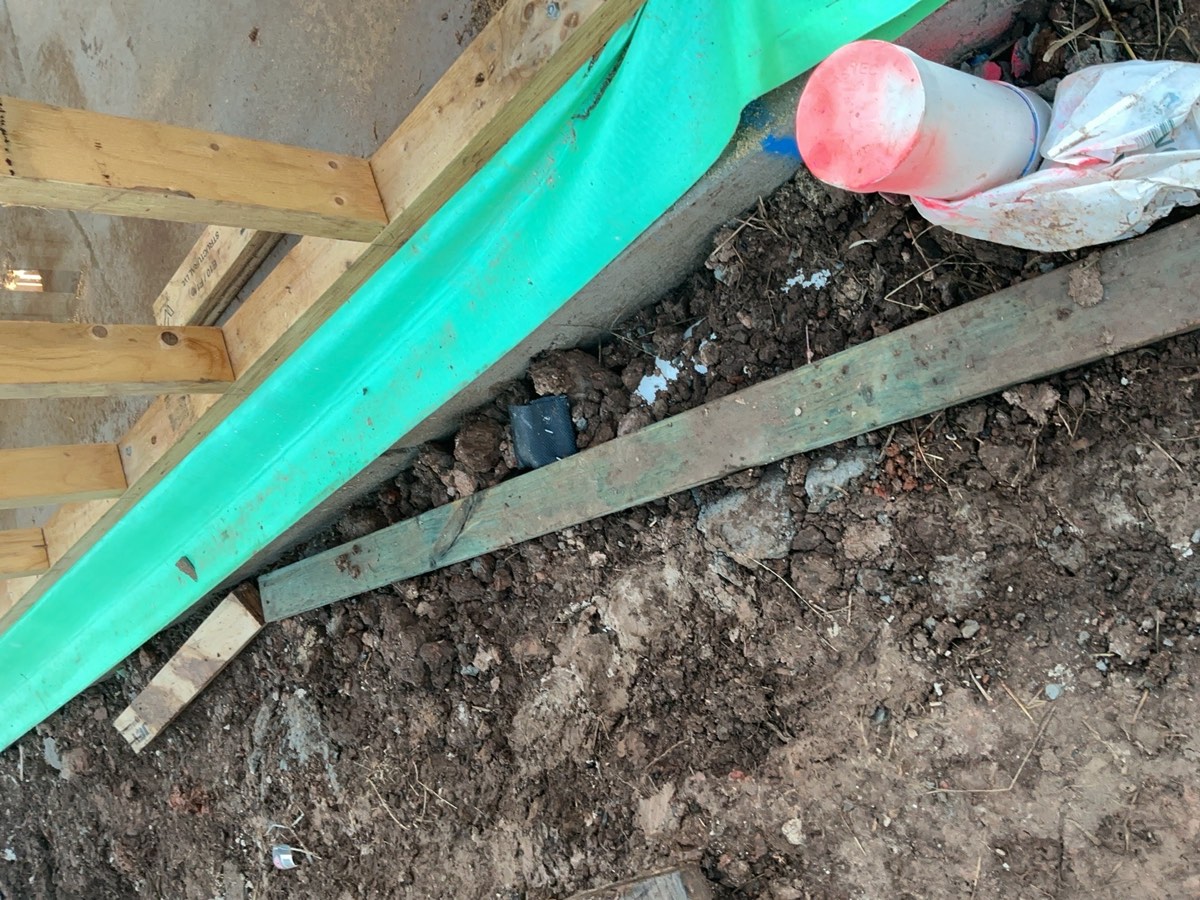
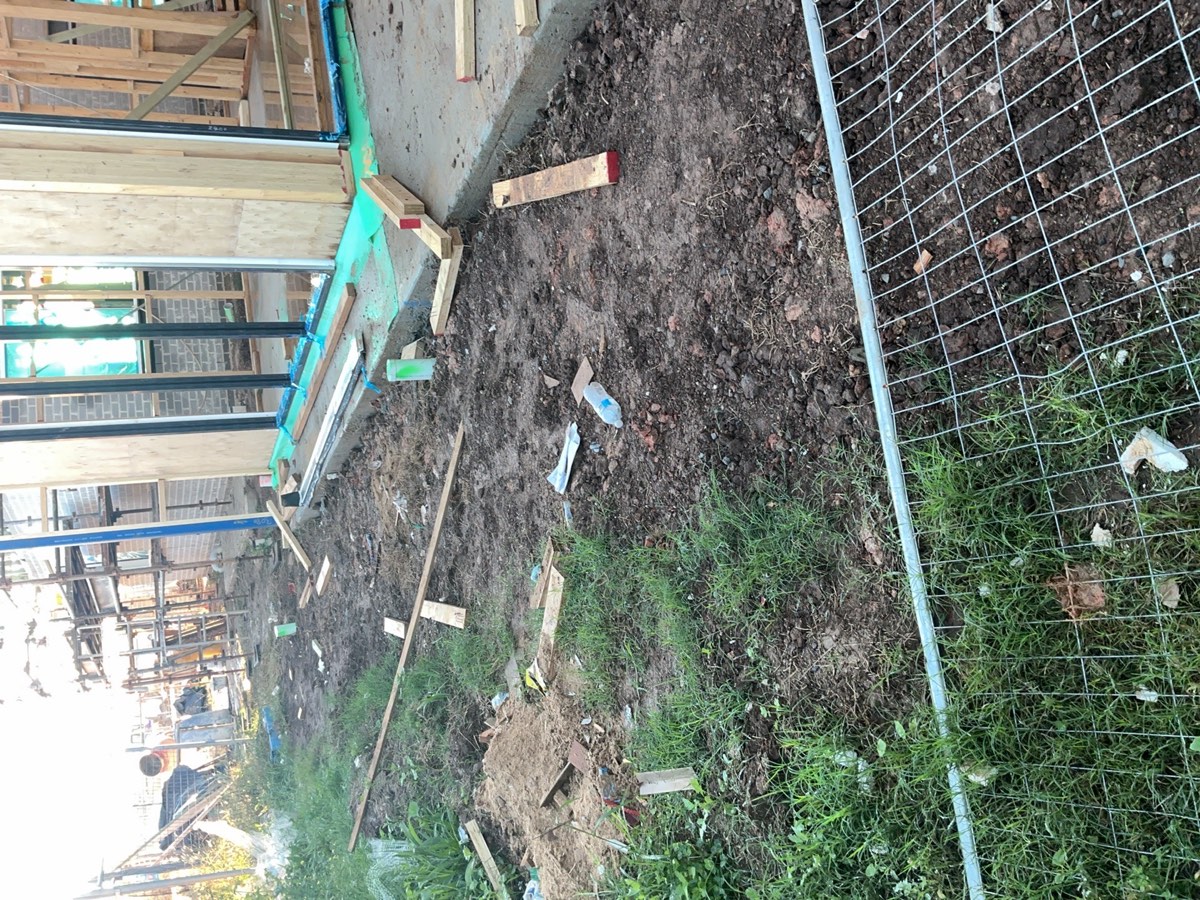
The slab carries everything above it and its engineering lives in beam geometry, reinforcement and cover, none of which can be seen once concrete is placed. On the Oran Park job behind these photographs the vapour barrier was recorded with sections missing, which is the clearest possible example of a pre-pour item: trivial to fix on the day, impossible to reach afterwards. The photographs on this page were taken in Oran Park, about four kilometres north west and under the same council. Gledswood Hills has booked us for frame work rather than this stage, and captioning another suburb's photographs honestly seemed better than implying a local library we do not have.
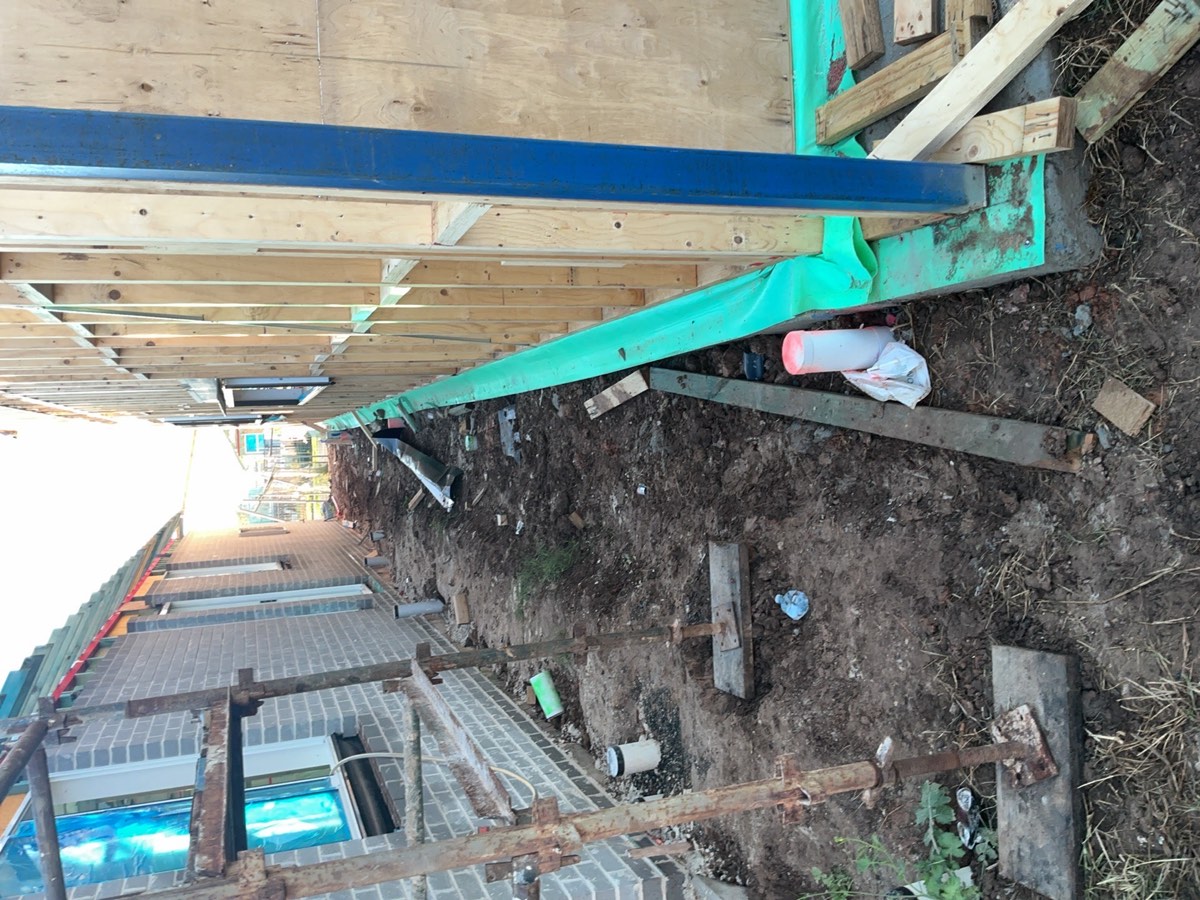
Annotated findings from Slab pre-pour inspections on Gledswood Hills builds. Client addresses withheld.
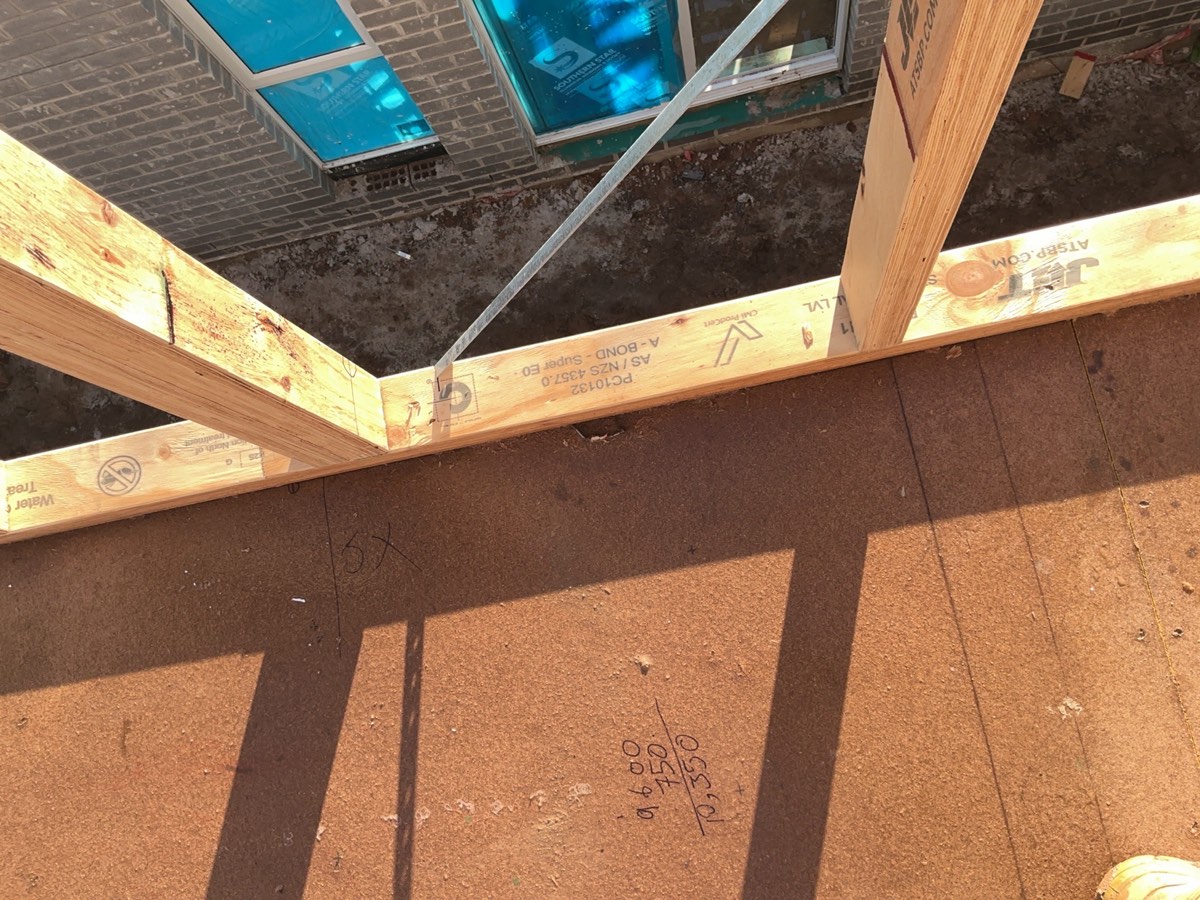 1Bored piersAfter boring and cage placement, before concrete
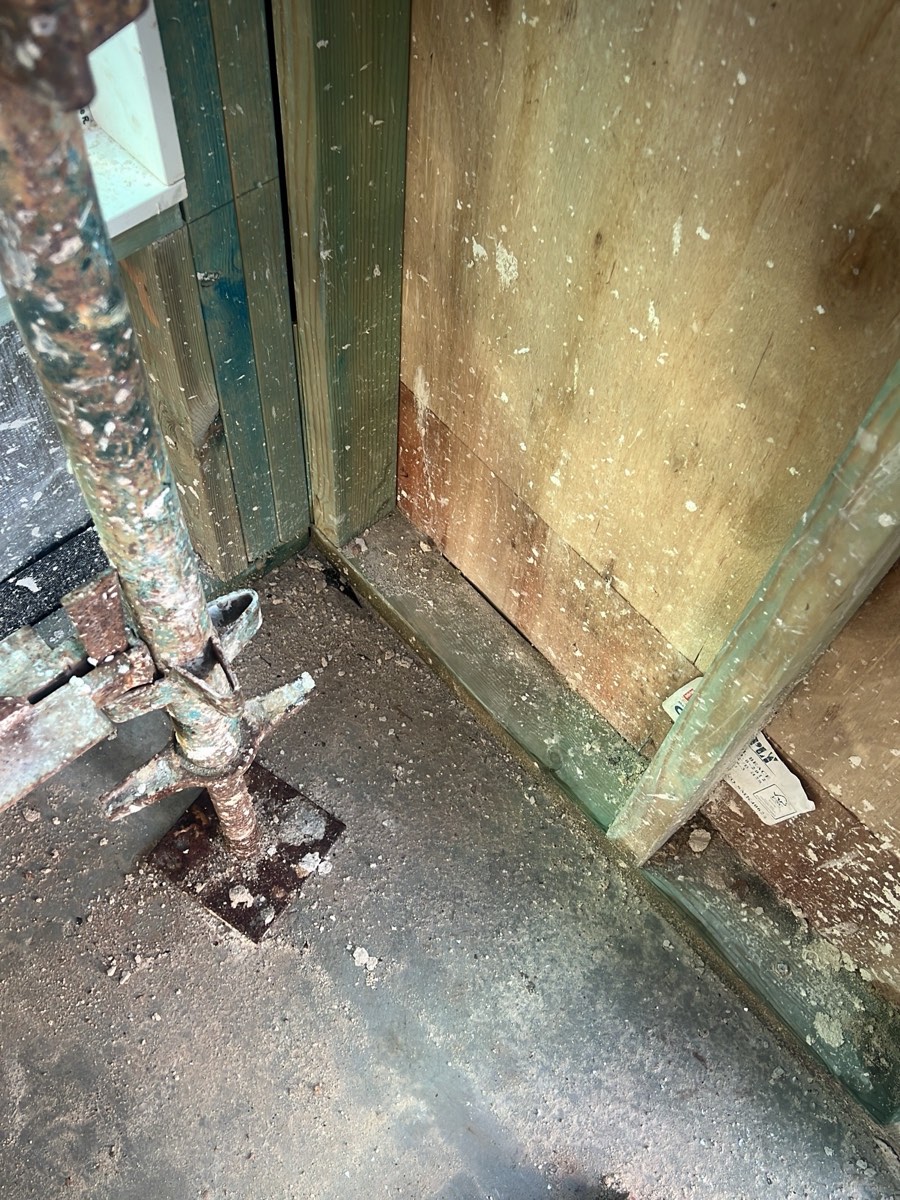 3FrameOnce frame and trusses are up and the roof is on, before lining
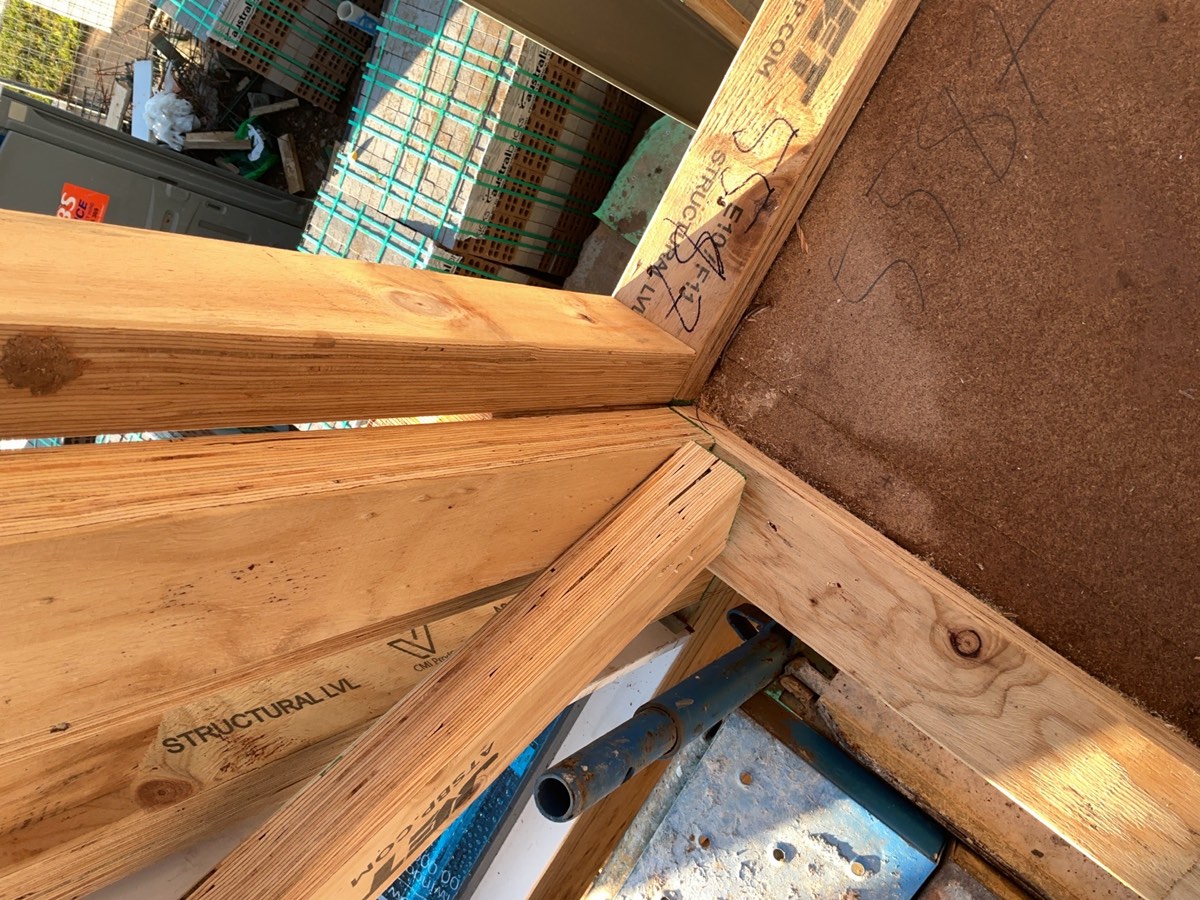 4Lock-up (pre-plaster)After roof, cladding and external doors, before plaster
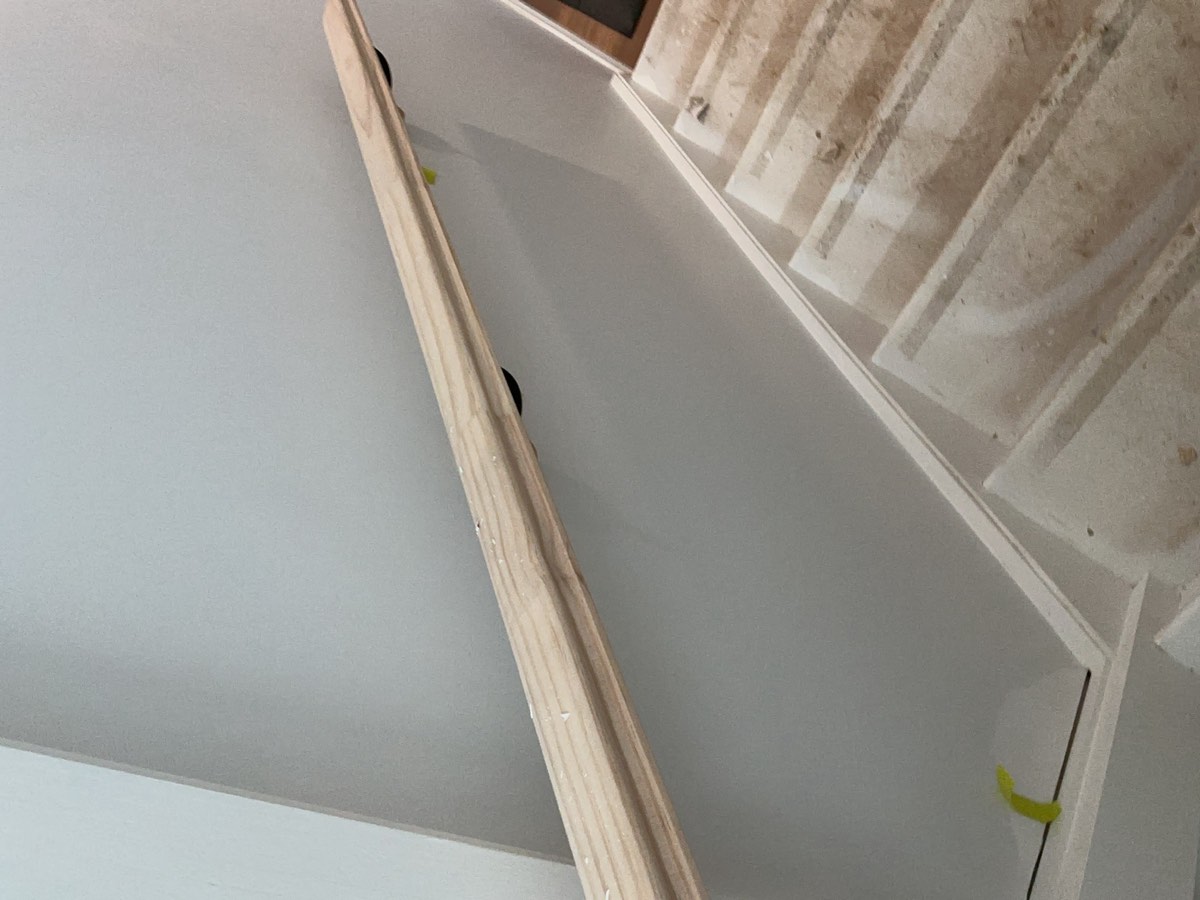 5FixingAfter mouldings, doors and joinery, before the painter
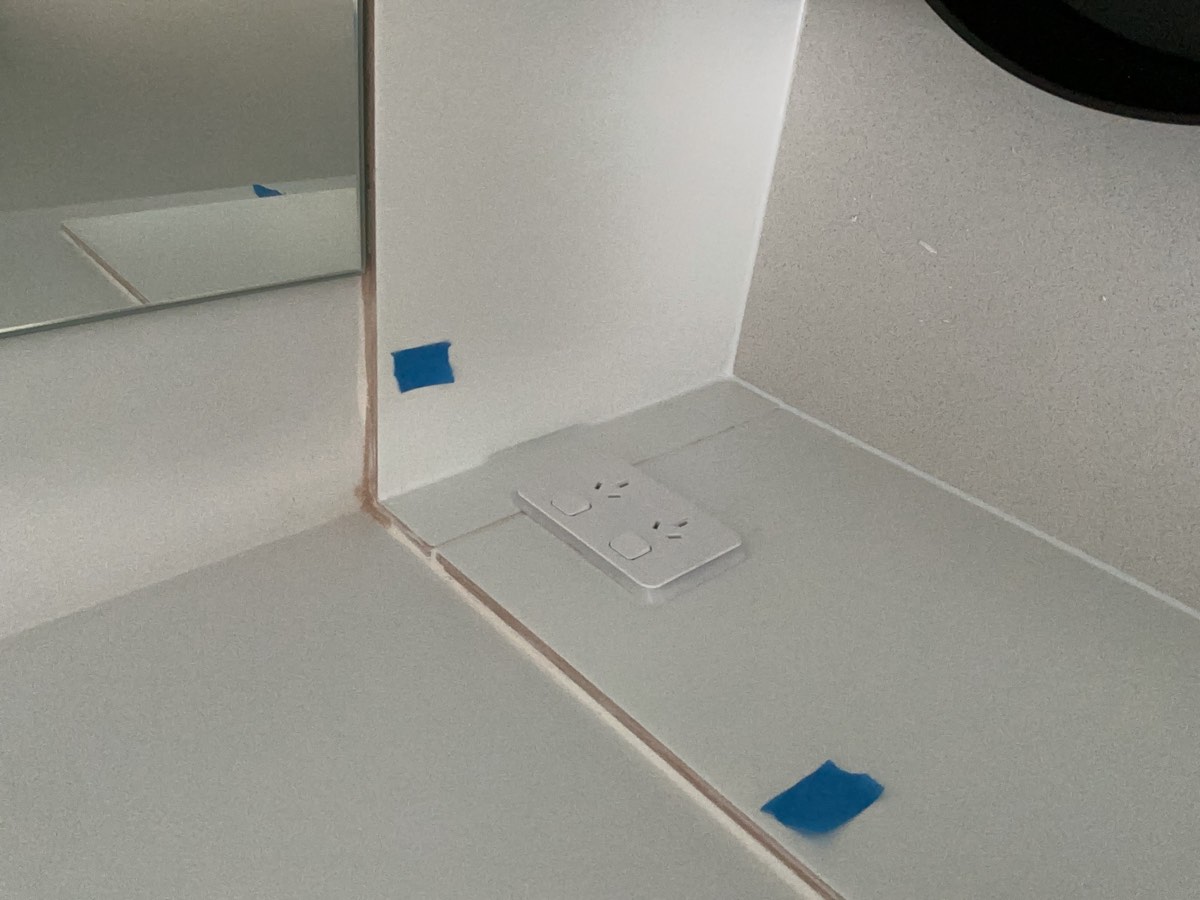 6WaterproofingAfter the membrane is applied and before any tile is laid
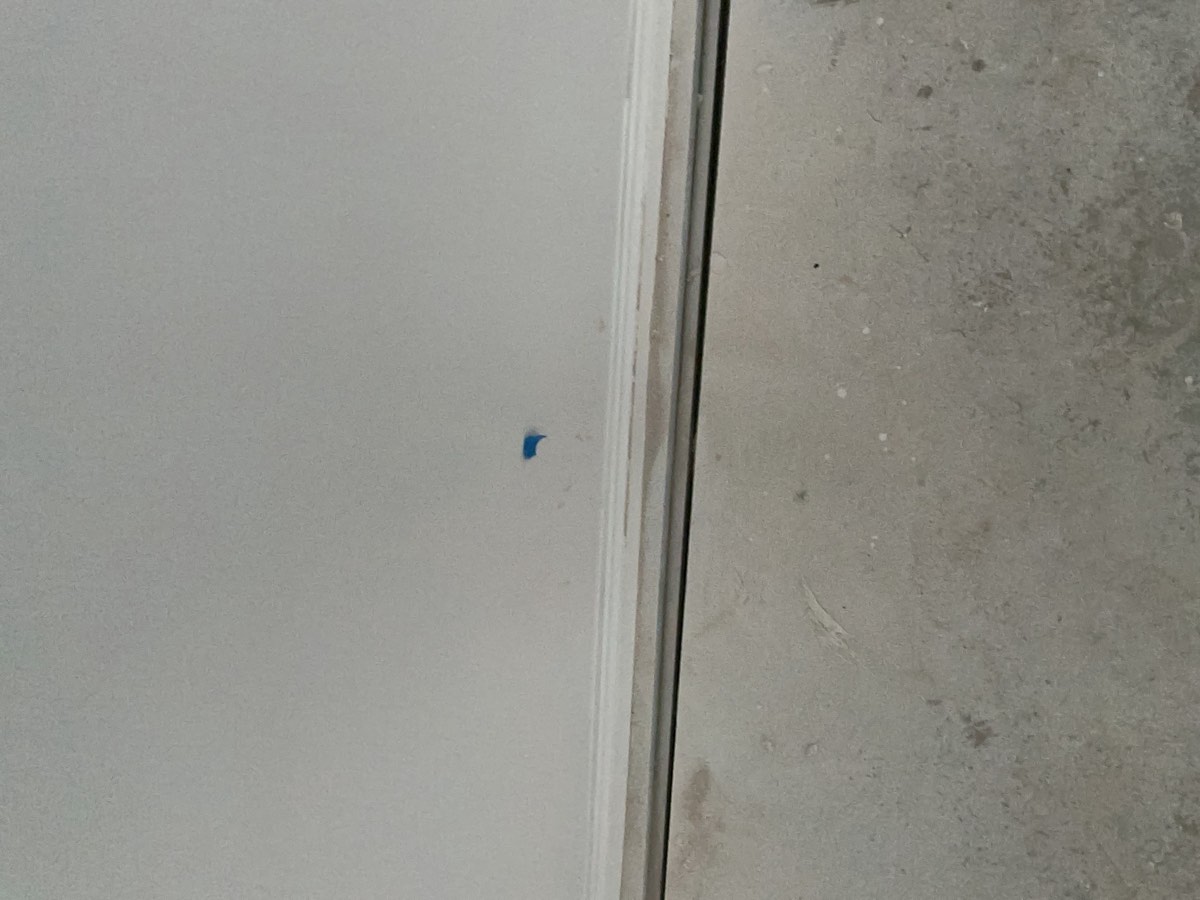 7Pre-handover (PCI)Two to three weeks before your handover date
Instant online pricing, or talk to the booking team on 1300 471 805.
It stops ground moisture rising into the slab and the floor above it. A section missing is a hole in a barrier that was specified as continuous, and it is under concrete an hour later.
Only the surface. Cover, steel, beam sizes and the barrier all stop being verifiable the moment the concrete goes down.
We move with it and there is no charge for the change.
An hour to ninety minutes on a standard lot, with the report out that evening because the pour is the next morning.
Yes. Moving a waste before the pour takes minutes; moving it afterwards means cutting the slab.
Your lot engineering, and the soil report it was drawn from.